
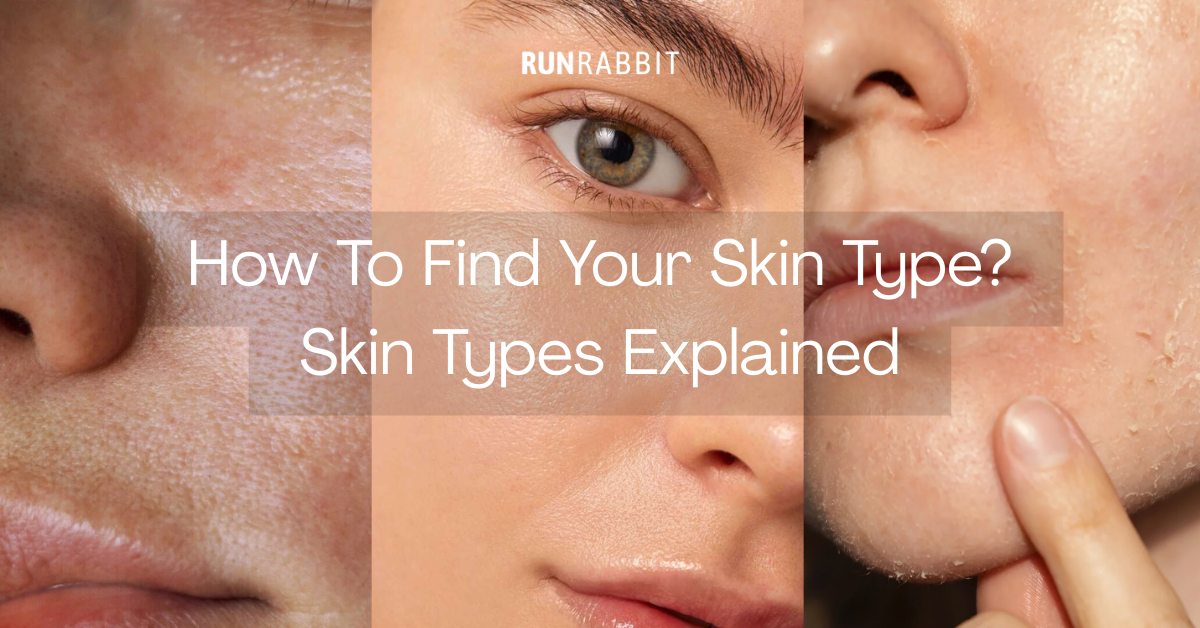
How to Find Your Skin Type: A Beginner’s Guide to Understanding Your Skin
Understanding your skin type is the first and most important step in building an effective skincare routine. If you’ve ever wondered “Why is my skin oily sometimes but dry in other areas?” or “Why do products work for others but not for me?” — the answer usually starts with identifying your skin type.
In this complete guide, you’ll learn how to find your skin type at home, the different skin types explained, and how to choose the right skincare routine for your needs.
Why Knowing Your Skin Type Matters
Using the wrong products for your skin type can lead to:
-
Breakouts
-
Excess oil
-
Dry patches
-
Irritation
-
Worsened sensitivity
When you understand your skin type, you can choose products that balance, protect, and support your skin barrier instead of working against it.
The 5 Main Skin Types Explained
Before you determine your own, let’s understand the basic skin types.

1. Oily Skin
Signs of oily skin:
-
Shiny appearance, especially in the T-zone
-
Enlarged pores
-
Frequent breakouts or blackheads
-
Makeup slides off easily
Oily skin produces excess sebum (natural oil). While it may feel frustrating, oily skin often ages slower because of natural moisture.
2. Dry Skin
Signs of dry skin:
-
Tight feeling after washing
-
Flaky or rough patches
-
Dull complexion
-
Fine lines appear more visible
Dry skin lacks oil and often needs extra hydration and moisture support.
3. Combination Skin
Signs of combination skin:
-
Oily T-zone (forehead, nose, chin)
-
Dry or normal cheeks
-
Breakouts only in certain areas
Combination skin is the most common skin type and requires balanced products.
4. Normal Skin
Signs of normal skin:
-
Not too oily or too dry
-
Small pores
-
Rare breakouts
-
Smooth texture
Normal skin is balanced and generally tolerates most products well.
5. Sensitive Skin
Signs of sensitive skin:
-
Redness
-
Burning or stinging sensation
-
Reacts easily to new products
-
Itchy or inflamed patches
Sensitive skin can overlap with any other skin type and requires gentle, calming ingredients.
How to Find Your Skin Type at Home (Simple Test)
You don’t need expensive equipment. Try this easy method:
Step 1: Wash Your Face
Use a gentle cleanser. Do not apply any products afterward.
Step 2: Wait 1 Hour
Leave your skin bare — no toner, no moisturizer, nothing.
Step 3: Observe Your Skin
After one hour:
-
If your face feels shiny all over → Oily skin
-
If it feels tight and flaky → Dry skin
-
If only your T-zone is shiny → Combination skin
-
If it feels comfortable and balanced → Normal skin
-
If you notice redness or irritation → Sensitive skin
The Blotting Paper Test (Optional Method)
Press blotting paper on different areas of your face.
-
Oil everywhere → Oily skin
-
Oil only in T-zone → Combination skin
-
Little to no oil → Dry or normal skin
Can Your Skin Type Change?
Yes. Your skin type can change due to:
-
Climate (humidity vs dry weather)
-
Hormones
-
Age
-
Stress
-
Skincare routine
For example, humid tropical climates may increase oil production, while air-conditioned environments can make skin feel drier.
That’s why reassessing your skin type every few months is helpful.
Common Mistakes When Identifying Skin Type
❌ Confusing dehydration with dry skin
(Dehydrated skin lacks water; dry skin lacks oil.)
❌ Assuming acne means oily skin
You can have dry or combination acne-prone skin.
❌ Overwashing your face
This can temporarily make your skin produce more oil.
What to Do After You Find Your Skin Type
Once you know your skin type:
-
Choose cleansers suited for your skin needs
-
Use moisturizers that balance oil or provide hydration
-
Always wear sunscreen daily
-
Avoid harsh products if you’re sensitive
Building a skincare routine becomes much easier when you understand your skin. Listed below are links to a perfect skincare routine using K-beauty products according your skin type.
| Skin Type | Your Perfect Skincare Routine |
| Oily | |
| Dry | |
| Normal | |
| Sensitive | |
| Combination |
Final Thoughts: Healthy Skin Starts with Awareness
Finding your skin type is the foundation of good skincare. When you understand whether your skin is oily, dry, combination, normal, or sensitive, you can choose products that truly support your skin’s natural balance.
Take the time to observe your skin — it tells you everything you need to know.